Featured Articles
Jimmy McLarnin: The Baby-Faced Assassin Who Conquered Boxing’s Golden Era

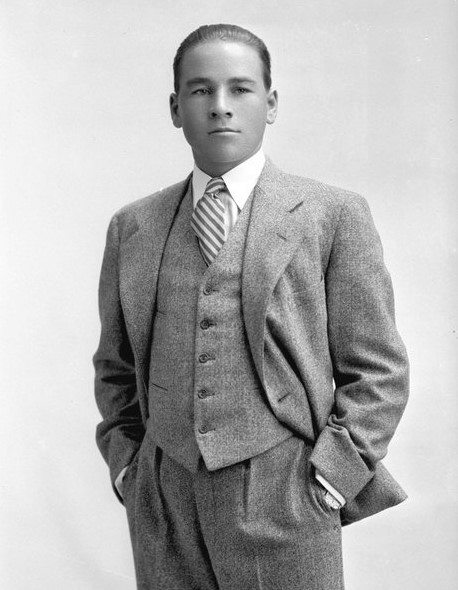
Jimmy McLarnin: The Baby-Faced Assassin Who Ruled Boxing’s Golden Era
From Ireland to the Canadian West
James Archibald McLarnin was born on December 19, 1907, in Hillsborough, County Down, Ireland, far from the bright lights and packed arenas that would later define his life. Before he became known as the “Baby-Faced Assassin,” McLarnin was simply a working-class immigrant kid whose family left Ireland for Canada when he was three years old. After a brief attempt at farming in Saskatchewan, the family settled in Vancouver’s tough East End, where survival often depended on resilience and toughness. Selling newspapers on street corners, McLarnin learned early how to stand his ground. These lessons that would later serve him well in the ring.
The Mentor Who Saw a Champion
At the age of 13, McLarnin’s raw fighting instincts caught the attention of veteran trainer Charles “Pop” Foster. Recognizing extraordinary potential beneath the boy’s youthful appearance, Foster built a modest gym and dedicated himself to shaping McLarnin into a professional boxer. Their partnership would last a lifetime, grounded in discipline, trust, and an unshakable belief that the quiet Irish kid could become champion of the world.
Turning Professional at Sixteen
McLarnin turned professional on December 19, 1923 (his 16th birthday) and immediately distinguished himself with speed, precision, and a punishing right hand. His youthful looks earned him the nickname “Baby-Face,” but opponents quickly learned that the softness ended there. As the 1920s progressed, McLarnin tore through elite competition across multiple weight classes, defeating future champions and seasoned veterans alike. He knocked out Jackie Fields, beat former titleholders such as Fidel LaBarba, and in 1932 delivered one of the era’s most shocking results by stopping the legendary Benny Leonard; a victory that confirmed McLarnin as one of boxing’s elite figures.
Seizing the World Welterweight Crown
McLarnin reached the pinnacle of the sport on May 29, 1933, at Wrigley Field in Los Angeles. Facing reigning welterweight champion Young Corbett III, he produced a stunning first-round knockout just two minutes and thirty-seven seconds into the fight, capturing the world welterweight title and cementing his place among boxing’s biggest stars. The win was decisive, dramatic, and symbolic; the culmination of a relentless climb through one of the most competitive eras in boxing history.
The Rivalry That Defined an Era
What followed was one of the greatest rivalries of the Golden Age. Between 1934 and 1935, McLarnin and Barney Ross (another future Hall of Famer) met three times in brutal, tactical championship fights that drew enormous crowds and national attention. Ross took the title in their first meeting, McLarnin reclaimed it later that year with a disciplined and intelligent performance, and Ross narrowly prevailed in their final encounter in 1935. Together, the two men defined the welterweight division and produced a trilogy that remains a benchmark for championship boxing.
Knowing When to Walk Away
McLarnin retired in 1936 at just 28 years old, leaving the sport with an exceptional record of approximately 63 wins, 11 losses, and 3 draws, along with two reigns as world welterweight champion. More importantly, he walked away with his health, reputation, and finances intact; a rarity in an era that consumed many fighters. His career reflected not only courage and skill, but a rare sense of timing and self-preservation.
A Successful Life Beyond the Ring
Life after boxing proved just as successful. McLarnin invested wisely, opened a profitable business, and made appearances in Hollywood films, including Big City and Joe Palooka. He enjoyed golf, public speaking, and a long, active life, remaining mentally sharp and physically capable well into old age. His longtime mentor Pop Foster even settled nearby, underscoring the depth of the bond forged during McLarnin’s rise.
Honors, Recognition, and Lasting Influence
McLarnin’s accomplishments earned him induction into the International Boxing Hall of Fame and the Canadian Sports Hall of Fame, and in 1966 he was named Canada’s “Boxer of the Half-Century.” Historians continue to rank him among the greatest welterweights of all time, not only for the names on his résumé, but for the completeness of his journey through the sport.
The Final Bell
Jimmy McLarnin passed away on October 28, 2004, in Richland, Washington, at the age of 96. Yet each December 19, boxing remembers more than a champion. It remembers a fighter who faced the best, defeated legends, and exited the sport on his own terms. In an era that broke many men, the Baby-Faced Assassin endured; and that, perhaps, is his greatest victory.
At the time of this writing, BoxRec shows Jimmy McLarnin ranked as the second greatest fighter of all time, one slot behind Sugar Ray Robinson.
To Comment On This Post In The Fight Forum CLICK HERE