Featured Articles
Born on December 24: Honoring Marvin Camel and Virgil Kalakoda

Born on December 24: Honoring Marvin Camel and Virgil Kalakoda
Today we acknowledge two fighters whose influence extended well beyond wins and losses. On this date, two very different careers began, each shaped by geography, culture, and an uncommon degree of resolve. Marvin Camel and Virgil Kalakoda were born decades apart on opposite sides of the world, yet both would carve out meaningful places in the sport through perseverance, adaptability, and a willingness to compete beyond familiar boundaries.
Their stories reflect boxing’s global and deeply personal nature: a Native American champion who helped define a new weight class and a South African warrior in both boxing and kickboxing. Together, they illustrate how boxing history is often written far from the brightest lights, by individuals whose impact is measured as much by context as by championship belts
Marvin Camel — From the Flathead Reservation to Cruiserweight History
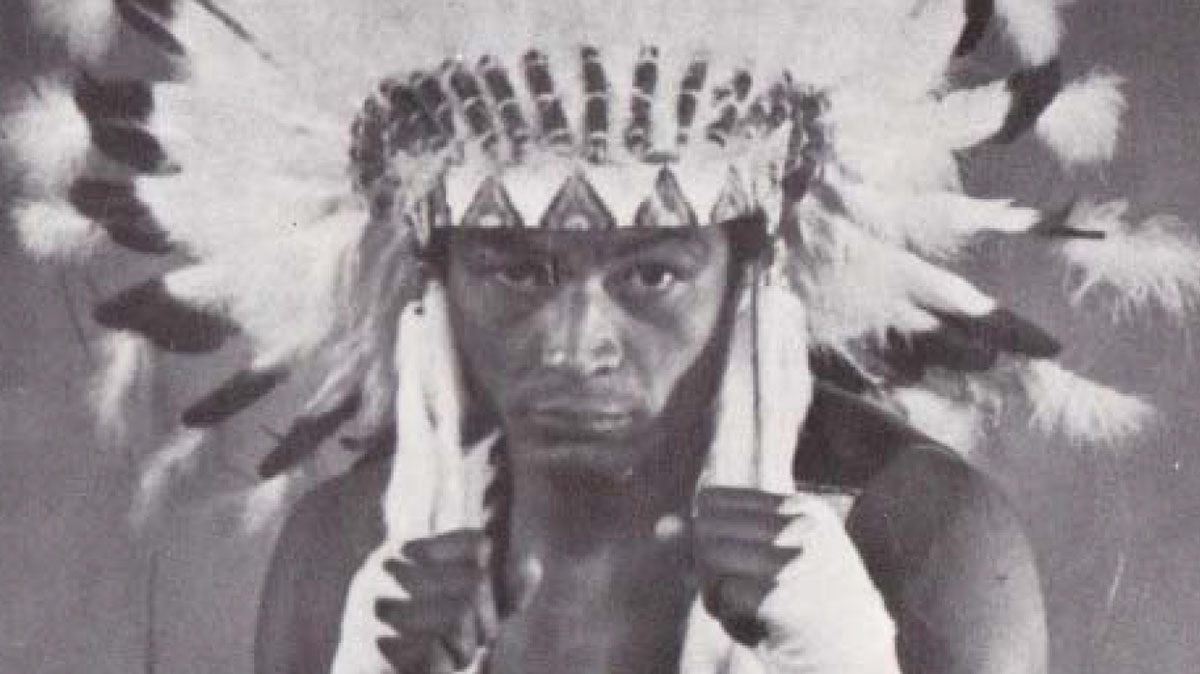
Marvin Camel was born in Ronan, Montana, on December 24, 1951 on the Flathead Indian Reservation, a place far removed from boxing’s glittering stages. Growing up as one of 14 siblings in a home without running water, Camel learned discipline and toughness early; running hills around Mission Valley, sparring with brothers, and developing the kind of work ethic that would later define his ring career. His mother, Alice Nenemay, was Pend d’Oreilles, and through her Camel became a registered member of the Confederated Salish and Kootenai Tribes, grounding his boxing in a deep cultural identity that infused his career with pride and purpose.
Camel’s rise was not linear. Bullied on the reservation for his mixed heritage (Black on his father’s side) and taught to fight by necessity as much as ambition, he first found athletic success in football, basketball, baseball, and track, only turning seriously to boxing in his teens. His determination in amateur ranks translated into a professional debut in 1973, and a decade later, he stood on the cusp of history.
The cruiserweight division was new and untested in the late 1970s, created for fighters too big for light heavyweight yet undersized for heavyweight. On December 8, 1979 in Split, Yugoslavia, in the very first WBC sanctioned cruiserweight title fight, Marvin Camel and Mate Parlov fought to a majority draw, so no champion was crowned that night. The following year, on March 31, they met again in a rematch where Camel captured the WBC world cruiserweight title with a grueling victory held at Caesar’s Palace in Las Vegas, becoming the first person ever crowned champion in the category.
Not content with a single glory, Camel went on to claim the IBF cruiserweight title in 1983, defeating Roddy MacDonald and cementing his position as the division’s first two‑time champion recognized by major sanctioning bodies.
Yet Camel’s story extends far beyond his ring record (45‑13‑4 with 21 knockouts). His world title belts (symbols of achievement, identity, and pride) were stolen decades ago, only to be rediscovered after 30 plus years in a scrapyard in Missoula in 2020, in a vehicle about to be crushed. When the belts were returned to him and refurbished with Native American embroidery, Camel’s emotional response spoke not of trophies, but of community and belonging. “It was not for Marvin Camel,” he explained of his championship wins, “it was for the state of Montana, the Flathead Reservation and the world.”
Today Camel lives in Florida but remains grounded in his roots, a man who carried his people’s name into boxing history and continues to inspire future generations with a journey defined by struggle, pride, and perseverance.
Virgil Kalakoda — “The Conqueror” ’s Path from Cape Town
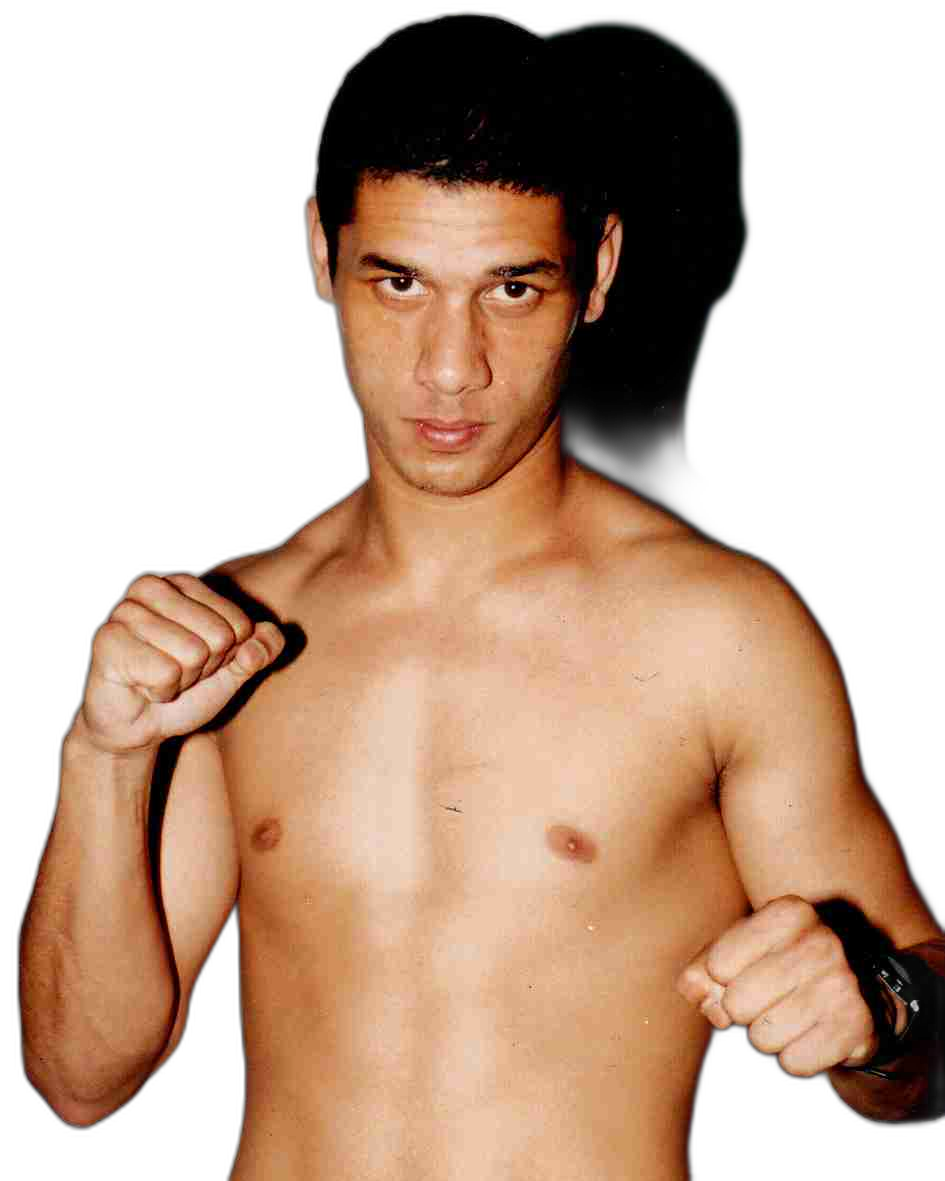
Also born on December 24, but decades later in 1979, Virgil Kalakoda emerged from the vibrancy and challenge of Cape Town, South Africa. Boxing ran in his blood: his father, Steve Kalakoda, was a boxer, and young Virgil often tagged along to the gym, absorbing the rhythms of training from an early age. Surrounded by fighters like Mike Bernardo in his formative years, Kalakoda developed a sense of competitive grit that would carry him across continents.
Turning professional at just 18 years old in 1996, Kalakoda quickly asserted himself, going undefeated in his first seven bouts before suffering his first setback. Rather than diminish his resolve, the loss became a springboard. By 2001 he had climbed back into title contention, capturing the IBC Light Middleweight world title and adding both IBF and WBN intercontinental titles.
Kalakoda’s career was as eclectic as it was global. In addition to boxing, he competed in kickboxing’s K‑1 MAX events in Japan, representing a rare breed of combat athlete comfortable in multiple striking arenas. Though his record was mixed outside the ring and in his later boxing days, his willingness to blend disciplines and compete internationally carved out a unique niche in combat sports and demonstrated an enduring competitive spirit.
A Shared Legacy of Impact
While Marvin Camel and Virgil Kalakoda traveled very different paths, their careers underscore a common truth about boxing history: its most enduring figures are often those who expand the sport’s boundaries rather than simply dominate within them. Camel fought not just opponents, but perceptions, and rose from rural reservations to world titles. Kalakoda carried a boxing lineage from the gym of Cape Town onto global stages.
On December 24, their birthdays serve as reminders that boxing’s legacy is built not only on headline events, but on lives shaped by grit, adaptability, and purpose. These are stories of fighters who left marks deeper than statistics — on divisions, on cultures, and on the continuing history of the sport itself.
Happy Birthday to Marvin Camel and Virgil Kalakoda — champions of heart, history, and resilience.