Featured Articles
December 30: This Day in Boxing History —Triumph, Tragedy, and Lasting Legacy

December 30: This Day in Boxing History —Triumph, Tragedy, and Lasting Legacy
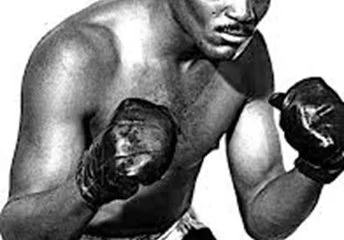
December 30 stands as a date that captures boxing’s extremes — the unforgiving physical toll of the ring and the enduring legacies forged within it. On this day in 1949, a heavyweight bout at Madison Square Garden altered the lives of two fighters. Twenty-one years later, the sport lost one of its most dominant and complicated champions.
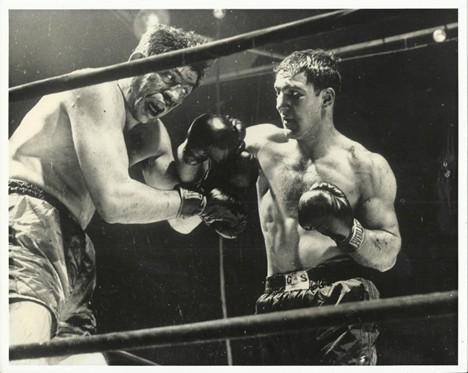
December 30, 1949 — Rocky Marciano vs. Carmine Vingo
When Rocky Marciano and Carmine Vingo met at Madison Square Garden on December 30, 1949, both were established heavyweights on the rise, though history would remember the night very differently for each. This bout took place one day after Vingo’s 2oth birthday. Marciano was 26 years old.
Marciano entered the bout without a loss, building momentum during the developmental phase of a career that would later occupy a singular place in heavyweight history. Marciano retired in 1956 with a 49–0 record, including 43 knockouts, the only heavyweight champion to retire undefeated. At the time of the Vingo fight, he was still several years removed from winning the heavyweight championship but was already gaining recognition for his pressure-heavy style and finishing ability.
Carmine “Bingo” Vingo entered the bout with a professional record of 16 wins and 1 loss, a résumé that had earned him recognition as a credible heavyweight contender. Among his key victories were a unanimous decision over Joe Modzele (16-2) at Yankee Stadium in August 1949. He also recorded a points win over George Washington in Brooklyn, New York. Vingo’s lone defeat prior to facing Marciano came in April 1948 in a decision loss to Joe Lindsay.
The fight between Marciano and Vingo ended @ 1:46 of the sixth round, when Marciano landed an uppercut that rendered Vingo unconscious. Vingo collapsed in the ring and was removed on a stretcher and then carried for 2 blocks as there was no ambulance present. He later underwent emergency brain surgery for internal bleeding and remained hospitalized for 2 months. Though he survived, Vingo experienced partial paralysis and troubled vision the rest of his life. He never fought again, and the bout marked the end of his boxing career.
For Marciano, the victory was part of a steady rise that would eventually include wins over Jersey Joe Walcott, Ezzard Charles, and Archie Moore, all former or future champions and Hall of Famers. Unfortunately the fight against Vigno was a solemn reminder of the risks of boxing, especially during an era when medical protections were limited.
December 30, 1970 — The Death of Sonny Liston

On December 30, 1970, Sonny Liston was found dead in his Las Vegas home at the age of 38. The official cause of death was listed as pulmonary congestion and heart failure. The circumstances of his death have been debated for decades, but the recorded facts of his passing remain unchanged.
Liston’s boxing career, however, is firmly documented. He finished with a professional record of 50 wins and 4 losses, including 39 knockouts. He rose from poverty in Arkansas to become one of the most physically dominant heavyweights of the 20th century.
In 1962, Liston won the world heavyweight championship by knocking out Floyd Patterson in the first round, repeating the result in their 1963 rematch. During his reign, he was widely recognized for his size, strength, and punching power, and he became the first heavyweight champion recognized by the WBC.
Cassius Clay, who was the 1960 Light Heavyweight Olympic gold medal winner, took Liston’s title in 1964 and then again stopped Liston in the first round of the their 1965 rematch. Beyond Ali (Clay) and Patterson, Liston’s résumé included wins over notable contenders such as Cleveland Williams, Leotis Martin, Zora Folley, and Eddie Machen, placing him firmly among the division’s elite of his era.
Despite his success in the ring, Liston’s life outside boxing remained turbulent. Legal issues, financial instability, and limited institutional support followed him into retirement, underscoring the gap between championship success and long-term security that defined the era in which he fought.
December 30 in Boxing Perspective
Together, these events frame December 30 as a date that reflects boxing’s full range of realities. Marciano’s rise illustrates the sport’s capacity to elevate an unheralded contender into lasting historical prominence, while the devastating injury suffered by Vingo highlights its physical risks. The life and death of Sonny Liston, meanwhile, reflect both the championship heights boxing can offer and the instability and vulnerability that has often followed fighters beyond the ring.