Featured Articles
Eric “Magic 2000” Harding: Philadelphia’s Relentless Light Heavyweight

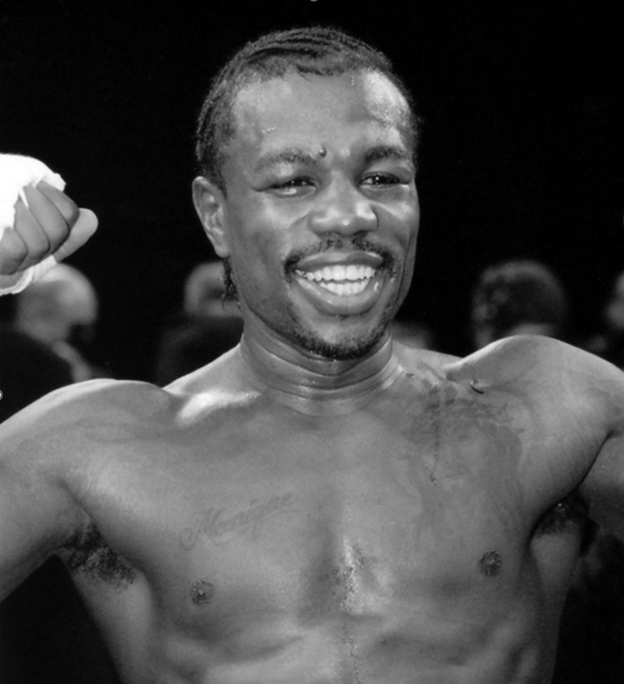
Eric “Magic 2000” Harding: Philadelphia’s Relentless Light Heavyweight
A Fighter Forged in Philadelphia
Eric Harding was born on December 20, 1972, in Philadelphia, Pennsylvania, a city where boxing credibility is earned the hard way. From the gyms of North Philadelphia to the long shadow cast by champions before him, Harding grew up immersed in a culture that valued toughness, intelligence, and quiet resolve.
Tall, rangy, and naturally left-handed, Harding stood 6-foot-1 with a 77-inch reach, physical tools that suited him perfectly for the light heavyweight division. Yet it was his patience and discipline — more than size or strength — that came to define his career. He was a southpaw technician whose success was defined by his preparation and control.
Learning the Trade the Long Way
Harding turned professional on August 28, 1991, fighting to a four-round draw against Robert Thomas in Philadelphia. It wasn’t a headline-making debut, but it was instructive. Harding didn’t rush his development or chase shortcuts; instead, he committed to learning the professional craft round by round.
Over the next several years, he accumulated victories quietly, refining his footwork, distance management, and timing. By the mid-1990s, Harding was no longer a prospect in name only, he was a seasoned contender, capable of neutralizing opponents with composure rather than force.
Breakthrough and Regional Recognition
Harding’s arrival as a legitimate force came on November 13, 1998, when he defeated former WBC light heavyweight world champion Montell Griffin by split decision to capture the NABF light heavyweight title. Griffin had previously held the WBC world title in 1997, and the victory immediately elevated Harding’s standing within the division.
That win proved no fluke. Harding had matured into a fighter who understood how to win close, tactical contests; a skill that would serve him well against elite opposition.
Handing Tarver His First Loss
Perhaps the most telling performance of Harding’s career came on June 23, 2000, when he faced an unbeaten Antonio Tarver. Over ten rounds, Harding outboxed the future world champion, handing Tarver the first defeat of his professional career.
The fight showcased everything Harding did well: positioning over power, timing over speed, and patience over urgency. It was a reminder that elite athleticism could be solved, if not overwhelmed, by ring intelligence.
A Shot at the Best in the World
Harding’s consistency earned him a long-awaited world title opportunity on September 9, 2000, when he challenged Roy Jones Jr. for the undisputed light heavyweight championship. Jones entered the bout widely regarded as the best pound-for-pound fighter in the world; Harding arrived undefeated at 19–0–1.
Early on, Harding showed composure and competitiveness, but adversity struck when he suffered a torn left bicep. Severely compromised, he fought on until his corner stopped the bout after the tenth round. It was the first loss of his career, but one that underscored his toughness and professionalism. Even in defeat, Harding had proven he belonged on boxing’s biggest stage.
Resilience and a Second Act
Rather than fade after his first setback, Harding rebuilt. In February 2005, he captured the USBA light heavyweight title with a unanimous decision over David Telesco, reaffirming his relevance in a new era of contenders.
Later that year, he added another NABF title, defeating the previously undefeated Daniel Judah. These victories reflected Harding’s durability, not just physically, but mentally, and his willingness to remain competitive deep into his career, even as younger challengers emerged around him.
Final Challenge and a Fitting Farewell
Harding’s final bout came on June 2, 2006, against rising contender “Bad” Chad Dawson. In a moment that captured the essence of his career, Harding dropped Dawson early before ultimately losing a unanimous decision. It was a fitting conclusion: competitive, courageous, and honest.
He retired with a professional record of 23 wins, 4 losses, and 1 draw, spanning 15 years in one of boxing’s most demanding divisions.
Legacy of a Professional’s Professional
Eric Harding never captured a world championship, but his career stands as a testament to persistence, craft, and competitive integrity. He defeated future champions, held multiple regional titles, and consistently tested himself against the very best of his era without shortcuts, spectacle, or excuses.
In a sport often shaped by branding and bravado, Harding represented something rarer: the seasoned contender who earned every opportunity the hard way.
On December 20, boxing remembers a fighter born into Philadelphia’s unforgiving tradition; a professional’s professional, measured not by belts, but by the standard of opposition he never stopped challenging.
Born December 20, Eric Harding didn’t chase the spotlight, he chased the highest standard, and met it every time.