Featured Articles
Young Stribling: Endurance, Resolve, and Relentlessness

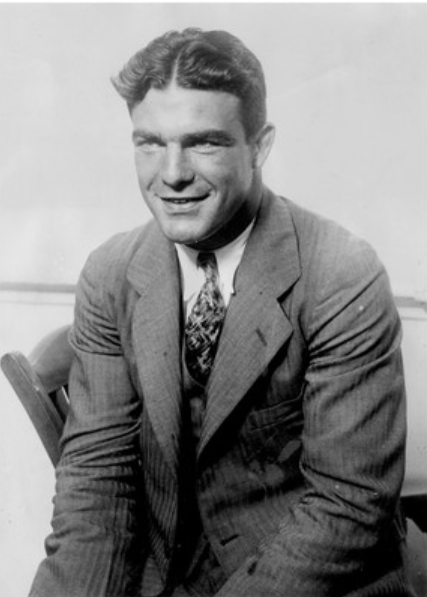
Young Stribling: Endurance, Resolve, and Relentlessness
Born December 26, 1904, in Bainbridge, Georgia, William Lawrence Stribling grew up in a South shaped by dificulty, thin margins, and limited choices. Boxing was not a romantic calling so much as an opportunity; one of the few available to a teenager with strength in his hands and urgency in his circumstances. Stribling turned professional at just 16 years old, beginning a career that would stretch the limits of human endurance and redefine what activity meant in the sport’s early golden age.
In the early 20th century, boxing was less a career path than a form of hard labor. Fighters fought often because they had to. And no one fought more, or longer, than Young Stribling. Weekly appearances were not unusual. Weight classes were flexible, sometimes irrelevant. He fought middleweights, light heavyweights, and heavyweights alike, taking bouts where and when they were offered. There was no long-term planning, no careful preservation. Fighters stayed busy because they had to; survival depended on staying active. Stribling was shaped by that reality; he was hardened by repetition, sharpened by necessity, and sustained by sheer durability.
Over little more than a decade, he compiled one of the most staggering records in boxing history. According to BoxRec, Stribling fought over 250 professional bouts, winning more than 220, scoring in excess of 120 knockouts, and being stopped just once.
Sribling challenged at light heavyweight and was often regarded by newspapers and local crowds as the top contender, even when official titles eluded him. He shared the ring with boxing greats such as Max Schmeling, Jack Sharkey, Tommy Loughran, and Primo Carnera.
Stribling’s lone stoppage came at the very highest level; a 1931 heavyweight title fight against Max Schmeling, halted with seconds remaining in the 15th round. “The bout is widely regarded as one of the great heavyweight fights of the era and is frequently cited among The Ring magazine’s most significant bouts of 1931.”
Stribling never held a recognized world title, but his résumé reads like a survey of the era’s elite. He faced, and often defeated, many of the most formidable fighters of the 1920s and early 1930s. He did so without the benefit of long layoffs or favorable matchmaking, absorbing punishment not in isolated wars, but as a condition of employment.
By the early 1930s, the accumulation of frequent fights began to take its toll. However, retirement was not a realistic option as boxing paid the bills. In an era without pensions, promoters’ guarantees, or medical safeguards, stepping away carried its own risks. So he kept fighting.
Even in 1933, with more than a decade of wear behind him, Young Stribling remained an active and credible professional fighter. He continued to compete regularly that year, taking bouts against experienced opposition and adding victories to a résumé that already defied conventional limits.
Stribling’s final bout came on September 22, 1933, when he defeated Maxie Rosenbloom over ten rounds. At the time of their fight, Rosenbloom was recognized as the undisputed light heavyweight champion of the world. However, this bout was fought over the weight limit of the light heavyweight title, so the title was not at stake.
On October 1, 1933, Stribling was riding his motorcycle through Macon, Georgia headed to the hospital. His wife had just given birth to their child, and he was traveling to see them. Along the way, his motorcycle was struck by an automobile. Contemporary accounts describe severe injuries, including a crushed pelvis and devastating trauma to his lower body.
He was taken to the same hospital where his wife and newborn child were recovering. Reports from the time indicate that Stribling remained conscious for a period, long enough to recognize family and loved ones. He fought for his life for two days before succumbing to complications from his injuries on October 3, 1933. He was 28 years old.
In the decades that followed, Young Stribling’s accomplishments settled into boxing history with a certain reverence. He was inducted into the International Boxing Hall of Fame, recognition not just for what he achieved, but for his endurance, resolve and relentlessness. Stribling showed up again and again, in an era when survival depended on it.
Today, Stribling’s accomplishments feel almost unimaginable. In a sport now built around careful pacing and career management, his record stands as a testament from a harsher time. On December 26, his birthday, Young Stribling deserves remembrance as a fighter who gave boxing everything it asked of him without hesitation.